

الحلقة 30
22m
Before the advent of Islam, the Arabian Peninsula experienced economic and geographical shifts: the incense trade route declined after its collapse in Yemen, maritime trade flourished, and the commercial hub shifted to the Hejaz.

An interactive documentary series takes viewers on a journey through Saudi Arabia's prehistoric past, from the depths of the desert to the mountain peaks, showcasing the ancient kingdoms' ruins and the secrets of the kingdom's geography.
Before the advent of Islam, the Arabian Peninsula experienced economic and geographical shifts: the incense trade route declined after its collapse in Yemen, maritime trade flourished, and the commercial hub shifted to the Hejaz.

Najran emerged as a key city linking trade from southern Arabia to the north and serving as a passage for tribes from Yemen.

Al-Faw village arose in the heart of the Arabian Peninsula as a thriving oasis over two thousand years ago.
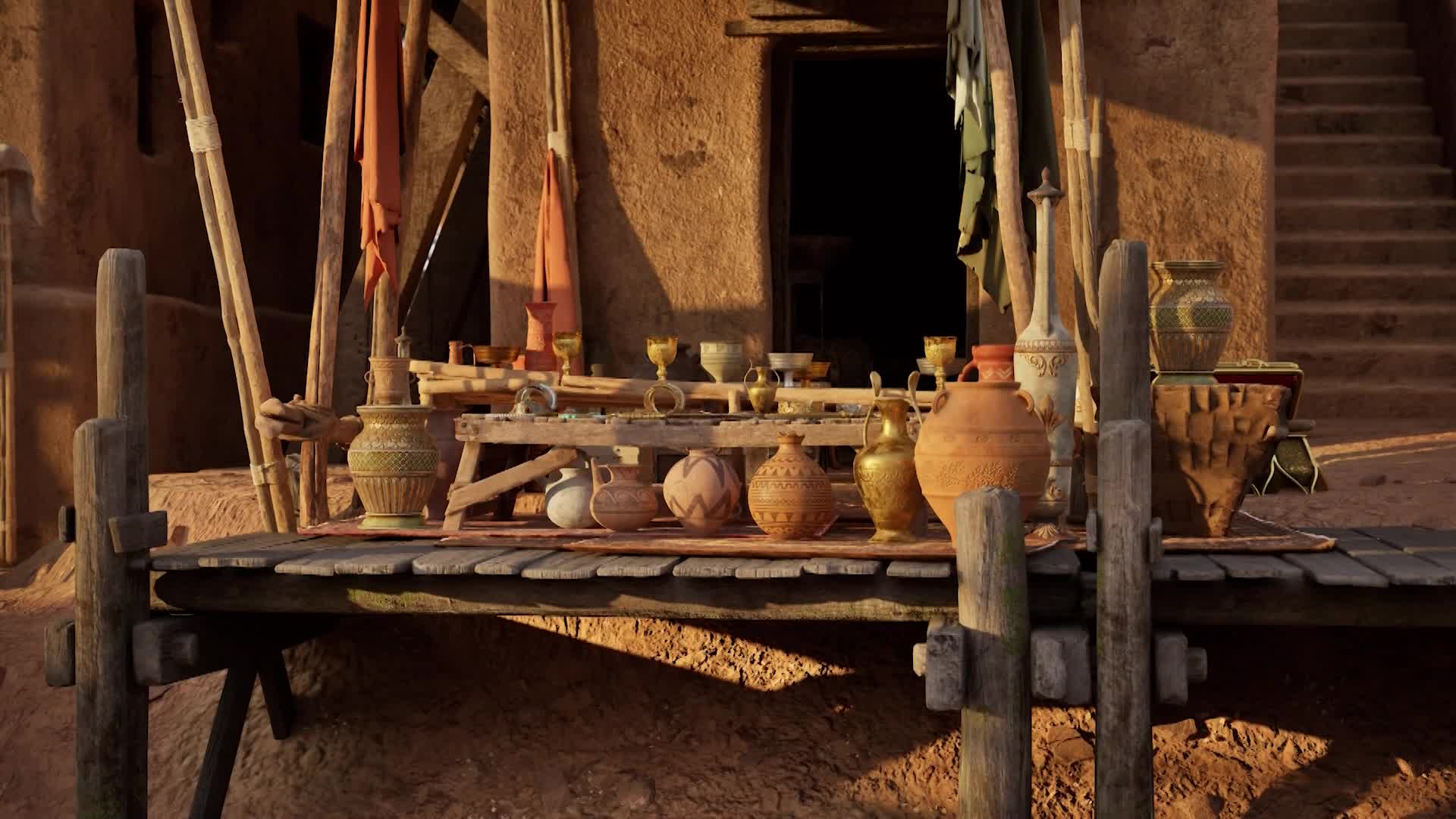
Northwest Arabia flourished due to its strategic location, becoming a crossroads linking the south and north of the Peninsula.

The name Ta’if is associated with a fertile mountain oasis in the heart of the Sarawat Mountains, which has attracted people since ancient times due to its mild climate and abundant water.
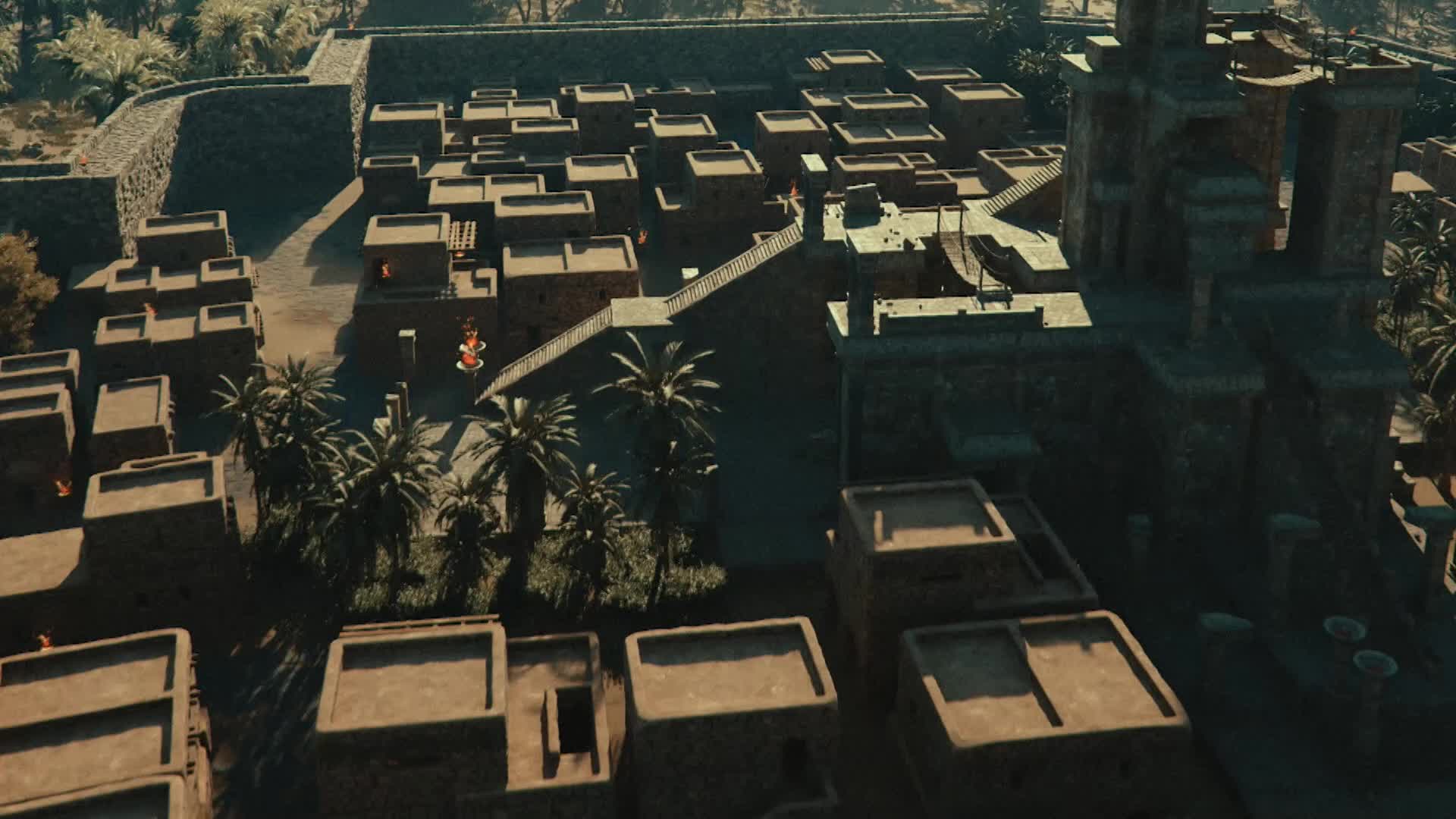
The name Ta’if is associated with a fertile mountain oasis in the heart of the Sarawat Mountains, which has attracted people since ancient times due to its mild climate and abundant water.
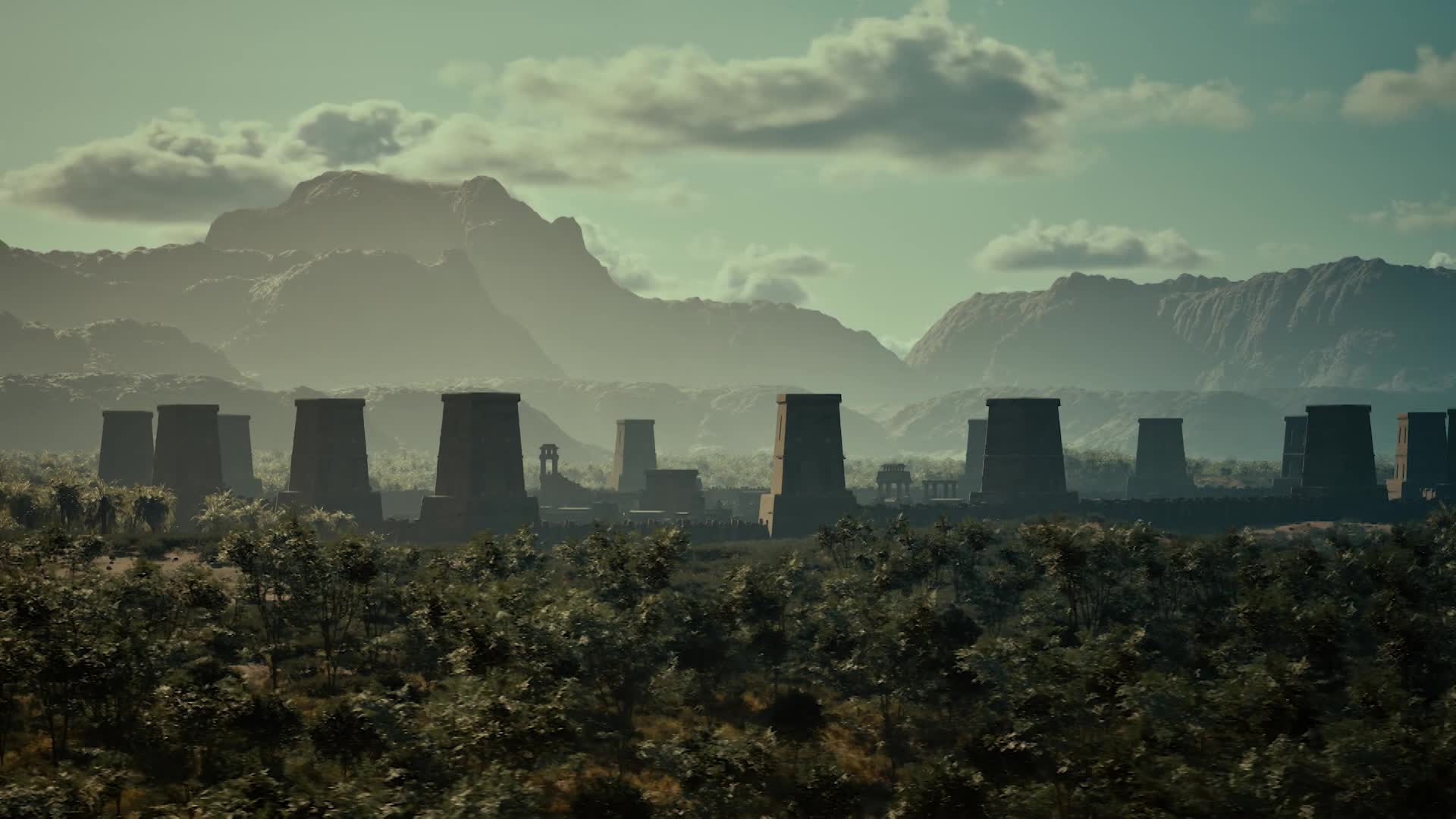
History reveals a fierce struggle for influence among the South Arabian kingdoms, competing for political and economic control.

The power of South Arabia entered history as an imperial entity after successfully achieving the classical concept of an empire.
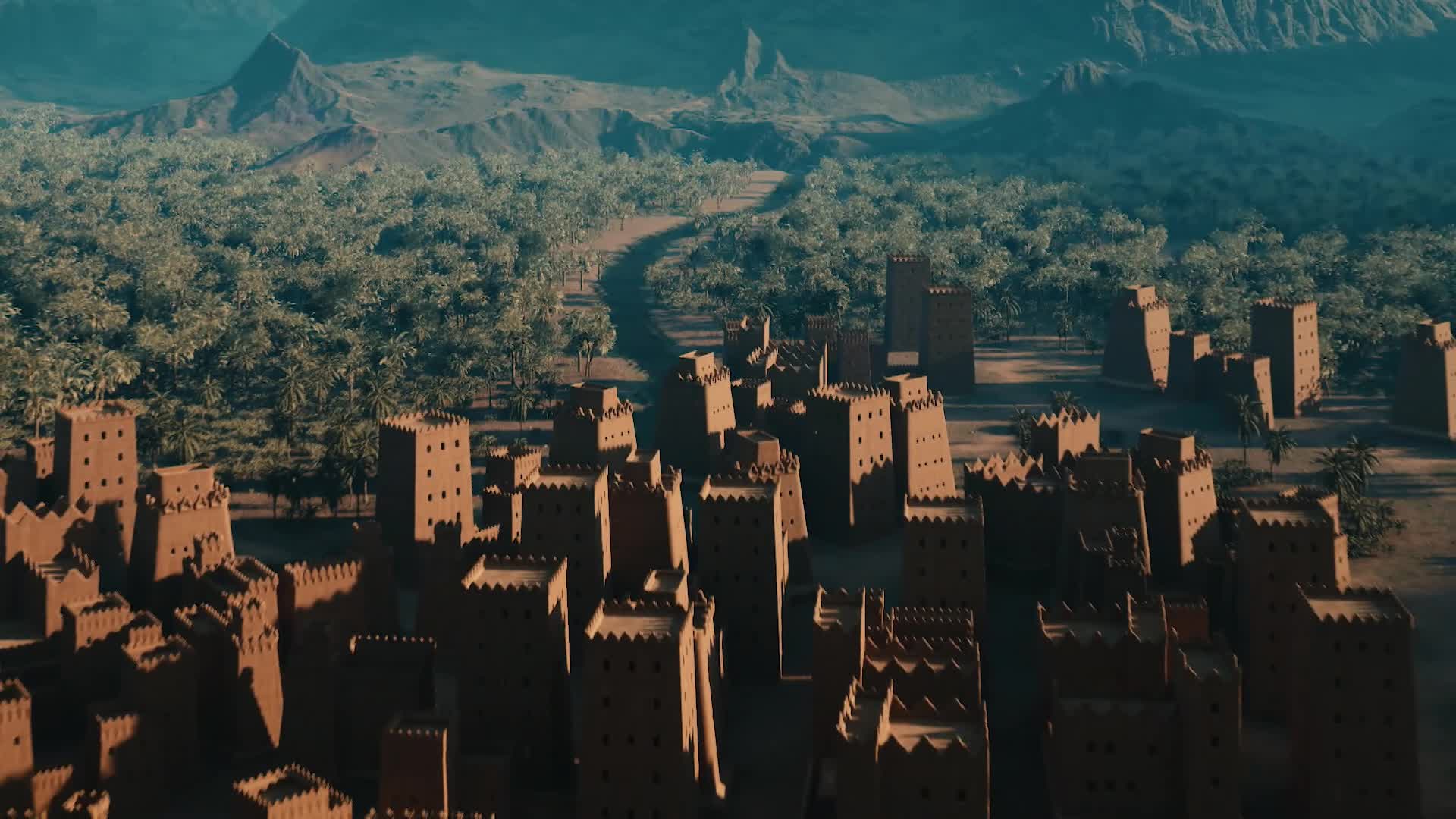
The Kingdom of Saba – the empire that connected the south of the Arabian Peninsula to its north.

The Kingdom of Saba – the empire that connected the south of the Arabian Peninsula to its north.